

If you’ve ever checked your account and wondered where your spending power scurried off to, the cash envelope system is a simple way to put clear fences around your monthly spending.
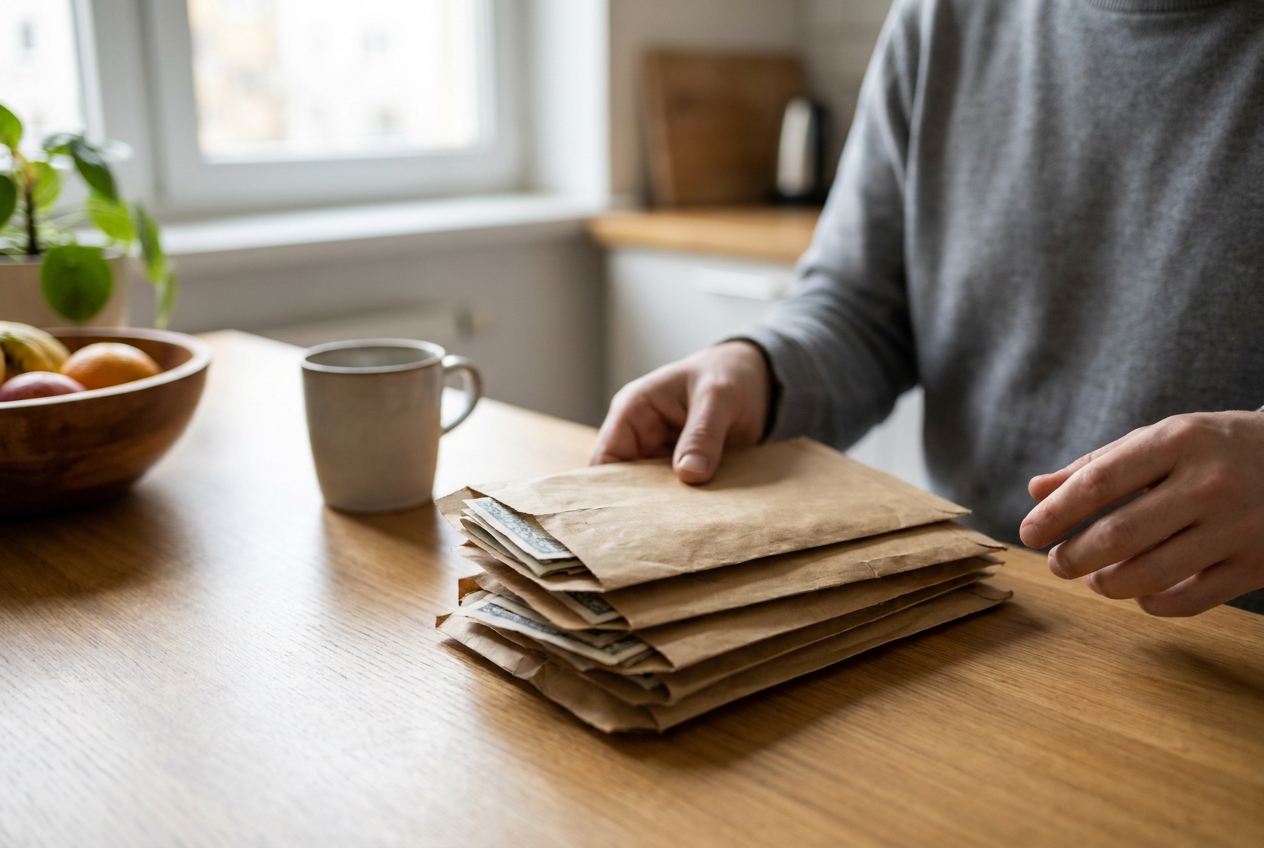
What the cash envelope system is
The cash envelope system is a budgeting method where you:
- Choose a few spending categories (like groceries, gas, and entertainment).
- Set a monthly limit for each category.
- Withdraw that money in cash.
- Divide the cash into labeled envelopes.
Then you only spend from the matching envelope. When an envelope is empty, that category is done for the month. No guessing, no “oops,” no accidental swipe.
Why physical cash can stop overspending
Cash adds a helpful pause. Swiping a card can feel invisible, but handing over bills makes spending feel real in the moment. The envelope system also does something powerful: it turns your budget from a suggestion into a boundary.
- Clear limits: your categories cannot quietly drift upward.
- Fast feedback: you can see what’s left at a glance.
- Less math: no constant app-checking while you shop.
If you’re building a full budget from scratch, this pairs nicely with the structure in the 50/30/20 budgeting rule.
Step 1: Pick the right categories
The envelope system works best for variable spending, the stuff that tends to creep up. Start with 3 to 7 envelopes. Here are common beginner-friendly categories:
- Groceries
- Gas or transit
- Dining out
- Entertainment
- Personal spending (coffee runs, small treats)
- Household items (toilet paper, detergent)
- Kids or pets (if those costs vary a lot month to month)
Avoid using envelopes for bills that are fixed and paid online (rent, insurance, student loans). Keep those in your normal account-based plan.
Step 2: Choose your monthly limits
There are two easy ways to set envelope amounts:
Option A: Use last month
Look at what you spent recently in each category, then set a limit that is slightly tighter if you’re trying to cut back.
Option B: Start with a first draft
If you don’t have good numbers yet, pick reasonable limits and treat month one as a practice run. The goal is not perfection. The goal is awareness and control.
If you’re also trying to protect cash reserves, it helps to separate envelope money from your safety net. Here’s a friendly guide to that: how to build an emergency fund and where to keep it.
Step 3: Set up envelopes
Once you’ve picked your categories and limits:
- Withdraw cash for your envelope categories (total them up first).
- Label each envelope with the category name and the amount for the month.
- Put the cash inside, counting it once carefully.
- Store the envelopes safely at home and only take what you need when you shop.
Helpful tip: Write two numbers on the front of each envelope: the starting amount and your running balance after each purchase.
How to spend with envelopes
Groceries
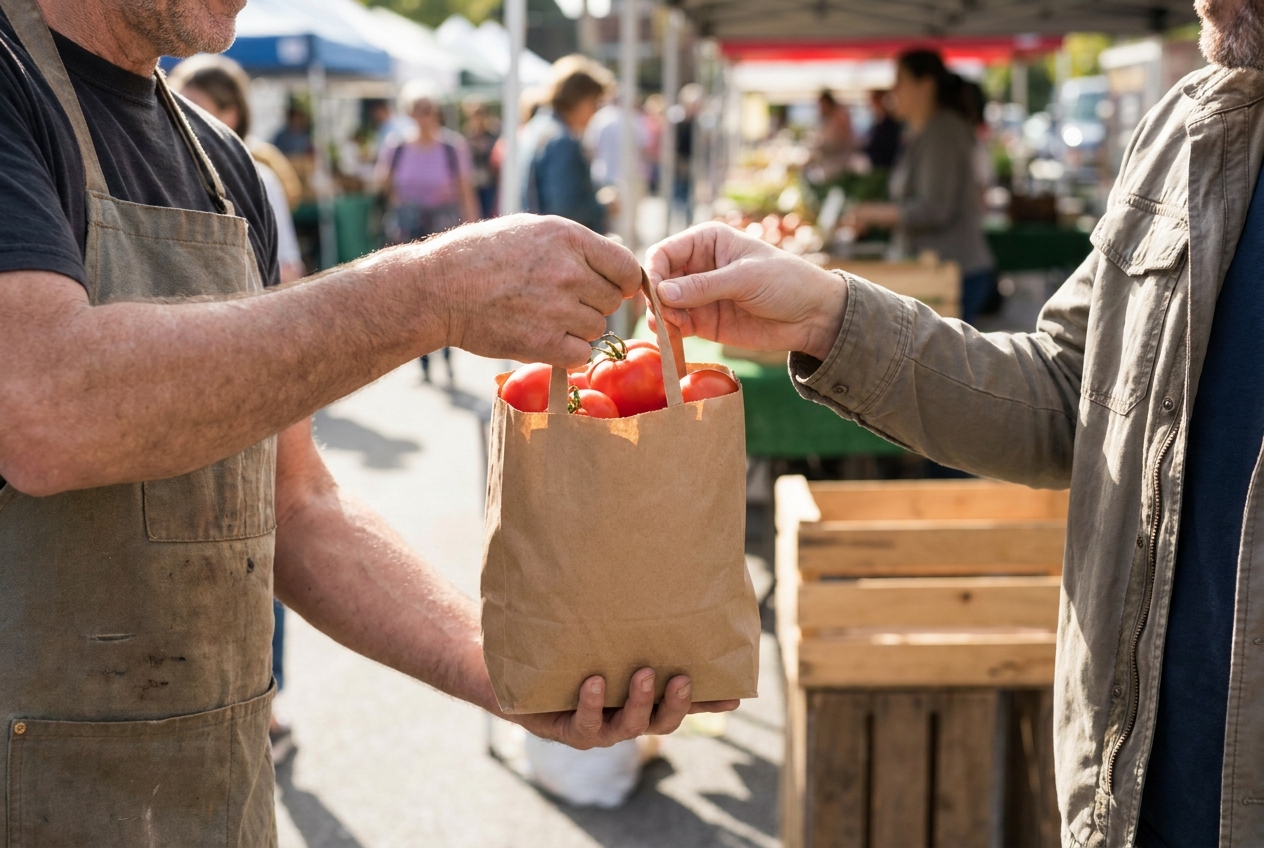
- Bring the grocery envelope to the store.
- Keep a running total while you shop.
- Pay in cash.
- Put the receipt in the envelope and update the balance.
Gas
- Decide how you’ll handle pay-at-the-pump situations.
- If you must use a card at the pump, consider going inside to pay cash, or use a simple workaround: pay with your card, then immediately move the same amount of cash out of the gas envelope into a separate “card reimburse” envelope at home.
Entertainment and dining out
- These envelopes are where cash budgeting shines.
- If the envelope is low, choose lower-cost fun for the rest of the month.
The big rule is simple: no envelope, no spend. That one habit stops the sneaky “just this once” overspending that adds up.
When an envelope runs out
This is the moment the system does its best work. When an envelope is empty, you have three clear choices:
- Stop spending in that category until next month.
- Move cash from another envelope (and accept the tradeoff).
- Use a small buffer category (like a “miscellaneous” envelope) if you planned one.
Try not to “borrow from the future” by using a credit card and hoping it works out. If you want help cleaning up card balances, head over to debt snowball vs debt avalanche.
Handling leftovers
If money is left in an envelope, that’s a win. Pick a rule ahead of time so you do not have to debate it each month:
- Roll it over: good for categories like gas or groceries with unpredictable weeks.
- Sweep it to savings: move leftover cash to a savings goal (especially if you are building a cushion). You can also keep savings in a separate account. Here’s a guide: high-yield savings accounts explained.
- Use it intentionally: once a month, leftovers can fund a planned treat, guilt-free.
Mistakes to avoid
- Using too many categories: if it feels fussy, you will quit. Start small.
- Setting unrealistically low limits: the goal is control, not misery.
- Not tracking your balances: a quick note after each purchase keeps the system trustworthy.
- Keeping all envelopes in your wallet: only bring what you need for that trip.
- Ignoring irregular expenses: birthdays, car repairs, and annual fees can blow up your plan if you pretend they do not exist.
For those irregular costs, it helps to add a separate plan called sinking funds. Here’s the guide: what are sinking funds?
A simple setup to copy
If you want a quick starting point, try this set of envelopes and adjust after one month:
- Groceries (weekly food and basic household staples)
- Gas (fuel, transit cards, parking meters)
- Dining out (restaurants, takeout)
- Entertainment (movies, hobbies, outings)
- Personal (small daily spending)
- Miscellaneous (tiny surprises so the system stays flexible)

Envelope system FAQ
Do I have to use envelopes literally?
Nope. You can use a small accordion file, a wallet with dividers, or any safe container. The magic is in the category separation and firm limits.
Is this safe to do with cash?
Cash can be lost or stolen, so keep most envelopes at home in a secure place and only carry what you need. If carrying cash makes you uncomfortable, you can still use the envelope idea with separate checking sub-accounts or a dedicated debit card for spending, but physical cash is the strongest “speed bump” for overspending.
Can I do envelopes while paying off debt and saving?
Yes. Many people use envelopes for day-to-day spending while their bills, savings transfers, and extra debt payments happen automatically. Envelopes are about keeping spending from leaking, so more of your money can go toward goals.
One small step to start
If this feels like a lot, start with just one envelope: the category where overspending happens most often. Use it for one month, learn what works, then add the next envelope. Small acorns grow into mighty habits.
Pocket is the squirrel drawn for Stocks For Beginners. Pocket isn't a financial adviser and doesn't pick stocks. The articles explain how accounts, funds, credit and taxes work so you can make your own decisions. More about Pocket